

Landscapes & biodiversity
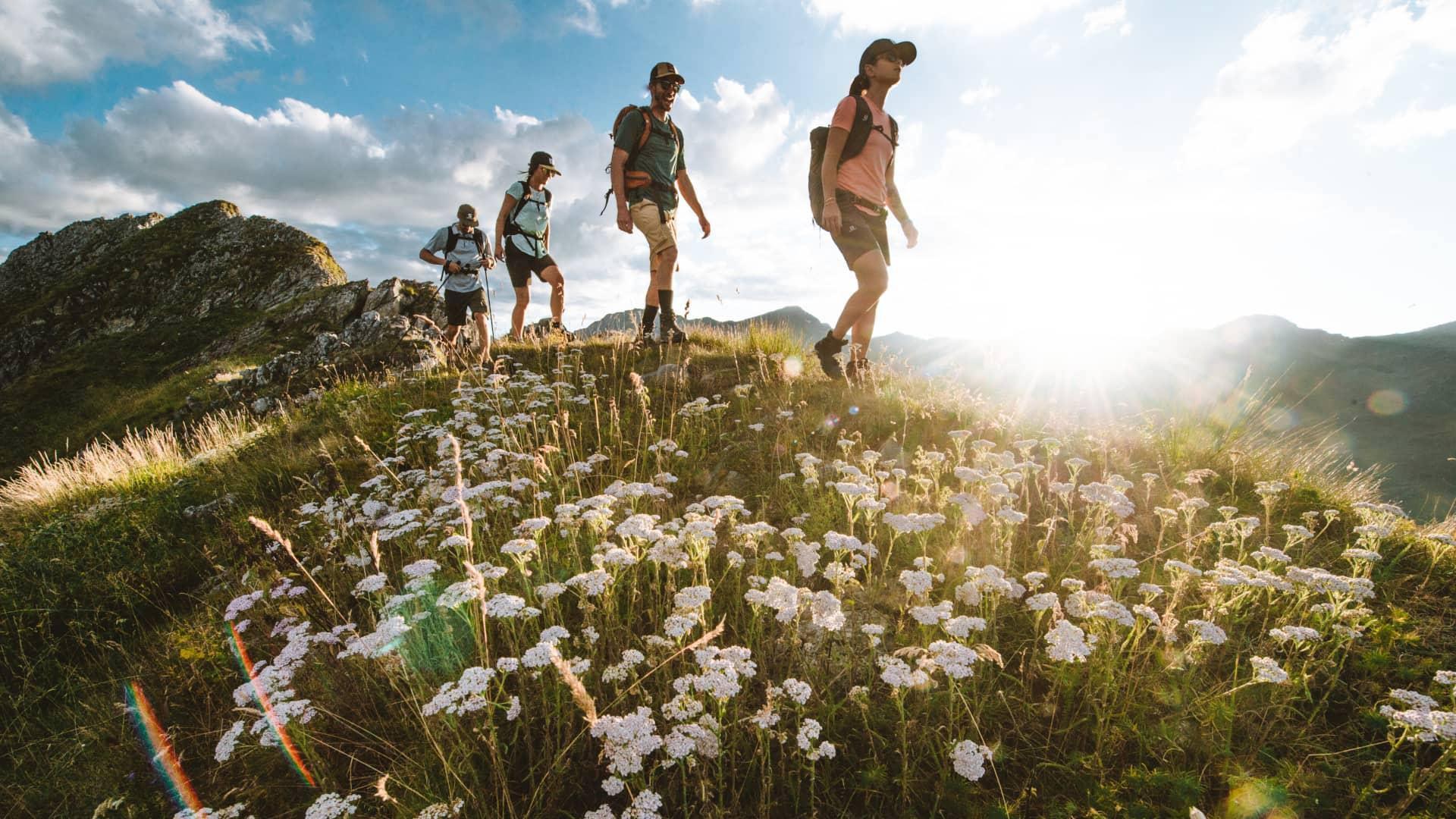
Our ski areas are located in sensitive and diverse natural spaces. For many years, we have taken steps to preserve biodiversity, restore fragile environments and reduce the environmental impact of our work. Ski slope revegetation, protecting wetlands, scientific monitoring and local partnerships: we are working hard to reconcile the tourism industry with landscape and wildlife conservation. Conserve today, prepare for tomorrow.

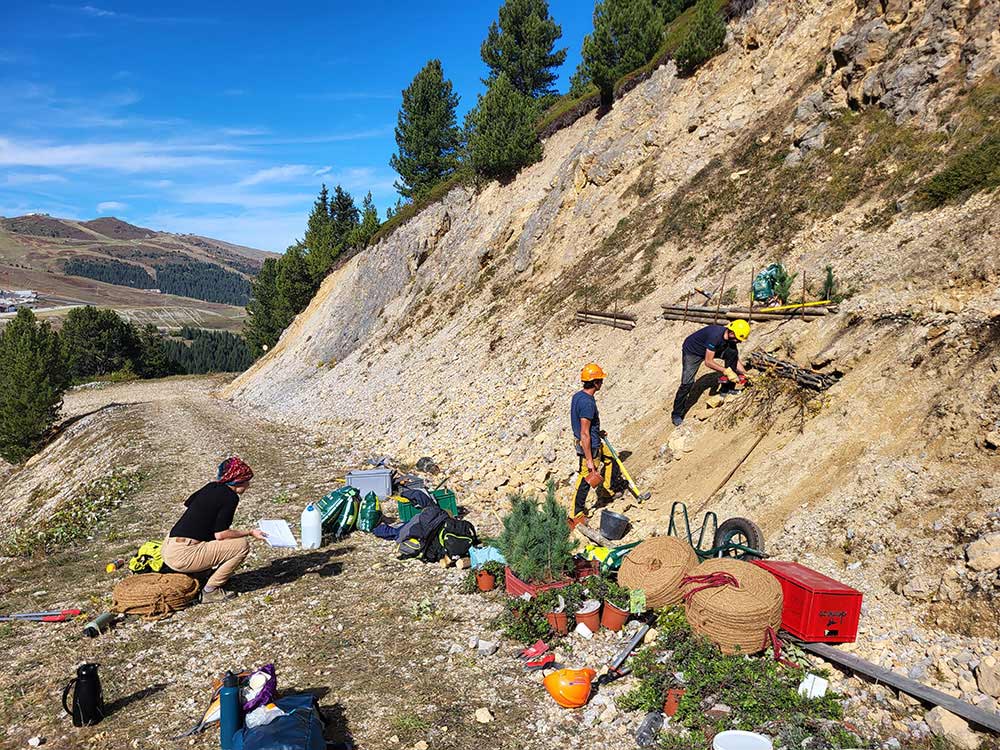
Carefully planned ski slope revegetation
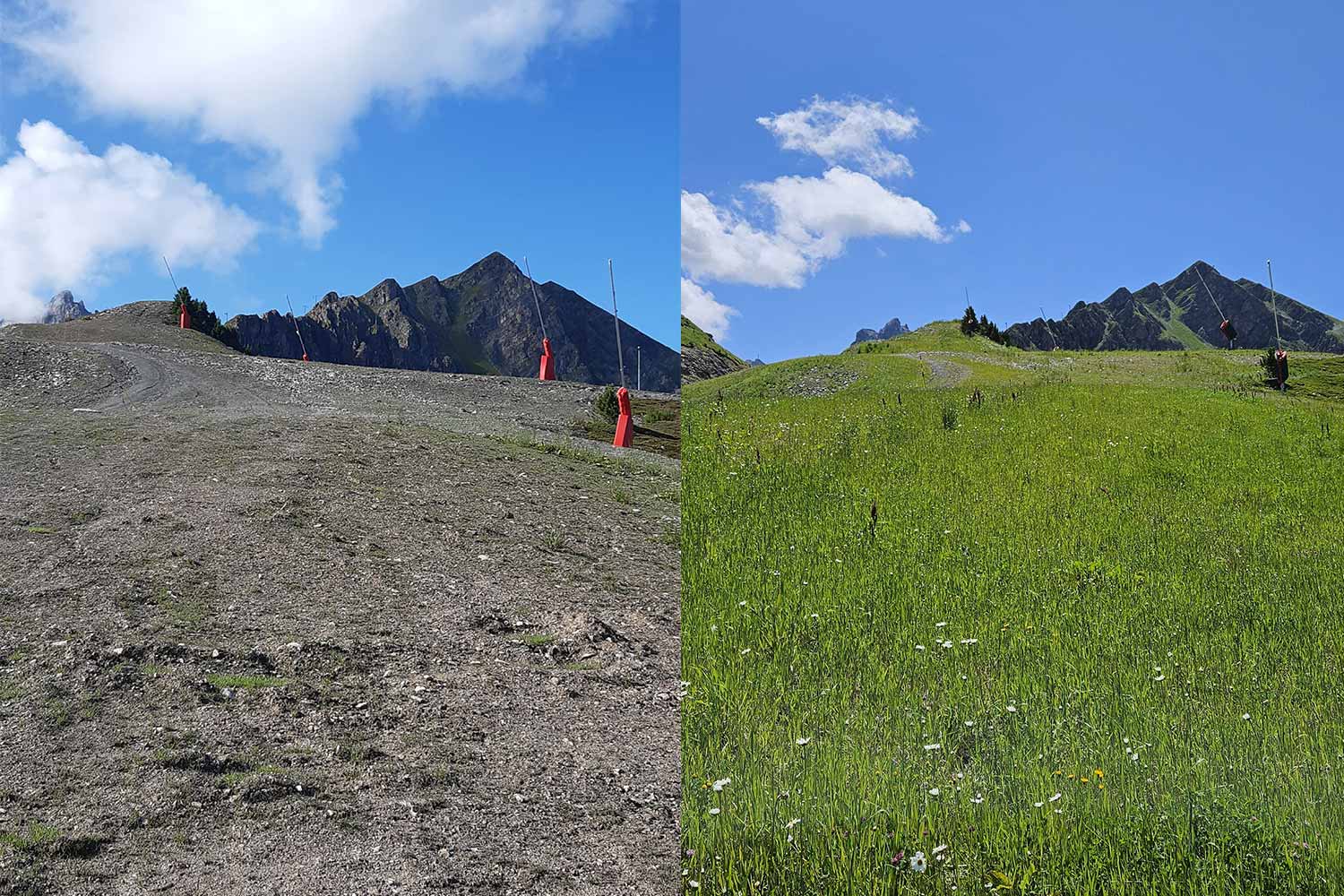
Replanting ski slopes, also known as revegetation, has long been part of our practice: primarily to stabilise snow, reduce erosion and improve landscape integration. The process has now been formalised and involves the use of an increasing number of local seed varieties to aid soil biodiversity. This change came about as a result of better understanding, and forms part of a long Alpine tradition in which ski areas exist side-by-side with mountain pastures. Revegetation also plays a role in helping to improve water table infiltration.

Streamlining of ski lifts
We are not aiming to expand our ski area. It’s a
clear case of needing to manage the existing space better. Since the
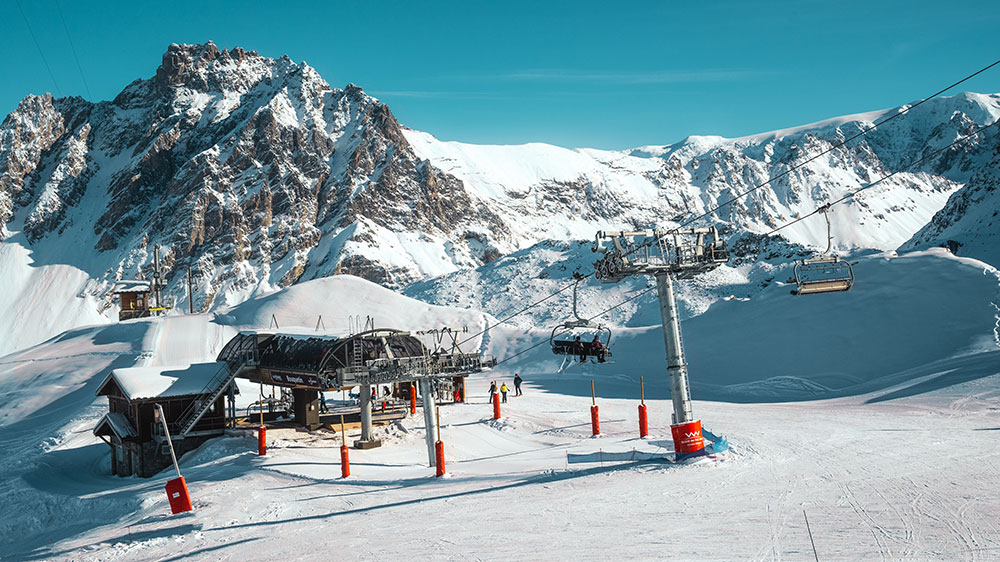
1990s, we have reduced the number of ski lifts from 200 to
161.
This
desire illustrates our commitment to reducing our environmental
impact while providing better service for our clients.

Reducing the visual impact of other facilities
We take several measures to reduce the visual impact of our facilities. Our high voltage networks are buried underground so that they have no short-term visual impact. All of our new buildings are subject to an architectural survey aiming to integrate them with the mountain environment: wood cladding, stone render… landscape integration represents a significant part of investment in a new ski lift.

Biodiversity and environmental observatories in every ski area
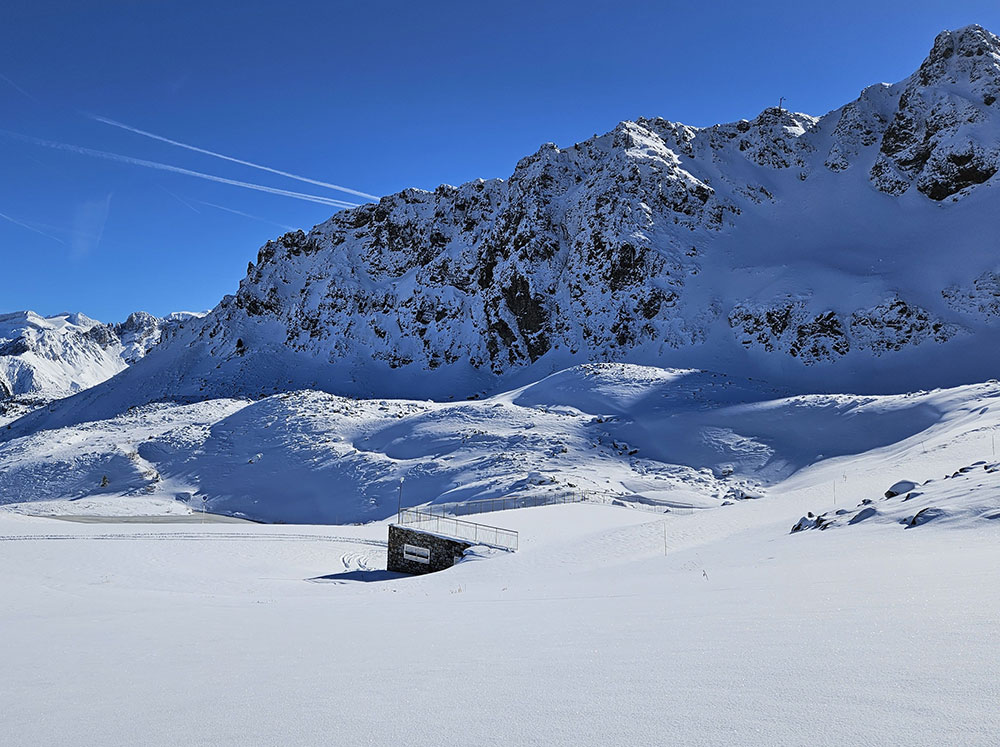
A decade ago, we knew very little about our ski areas’ biodiversity. Thanks to the development of environmental observatories, we now have a greater understanding of their ecosystems, enabling us to more accurately measure our impact and to take informed action. As our knowledge has grown, so has our responsibility.
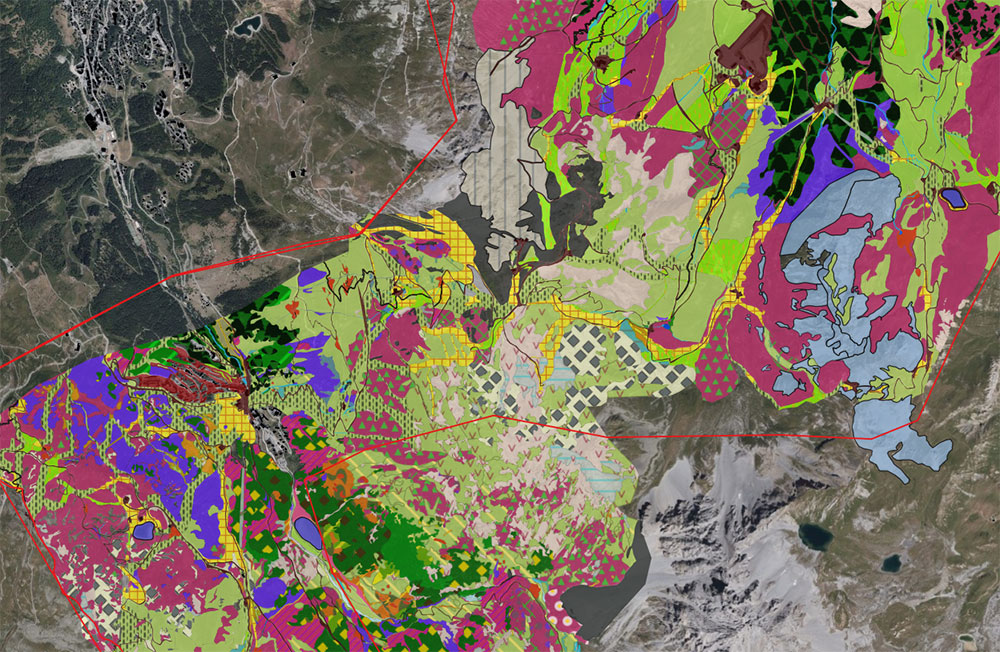

Vanoise National Park and ONF Partnerships
We share human resources with the Vanoise National Park (PNV) and the National Forestry Office (ONF) to carry out joint work: research, raising awareness, revegetation, the creation of wildlife quiet zones and wetland restoration.
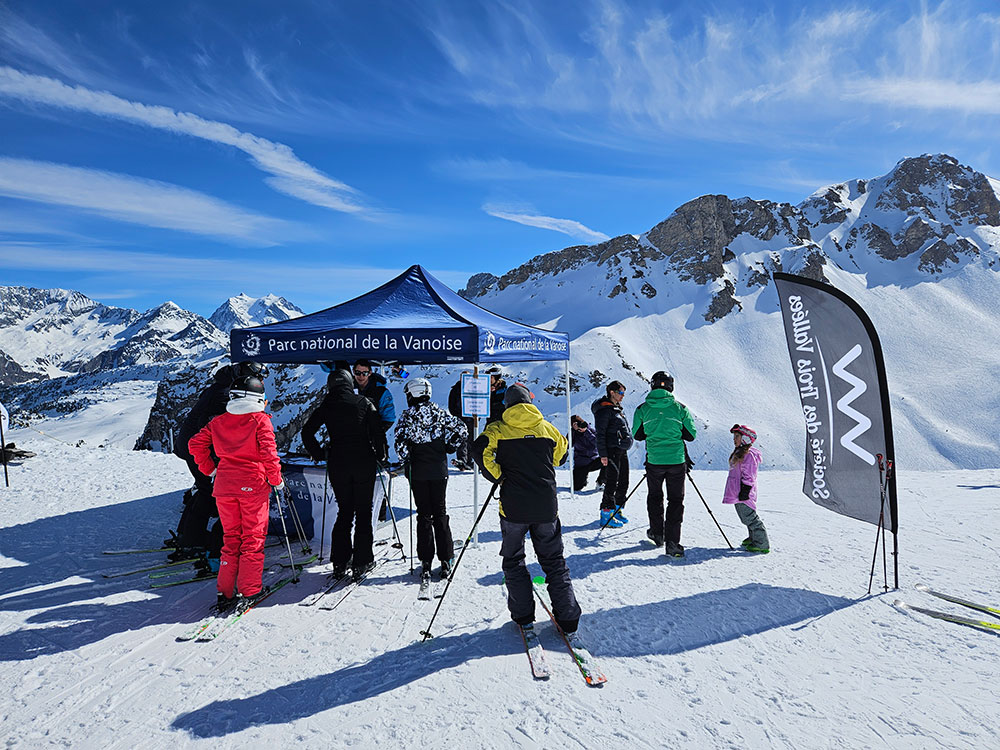

Avifauna Convention
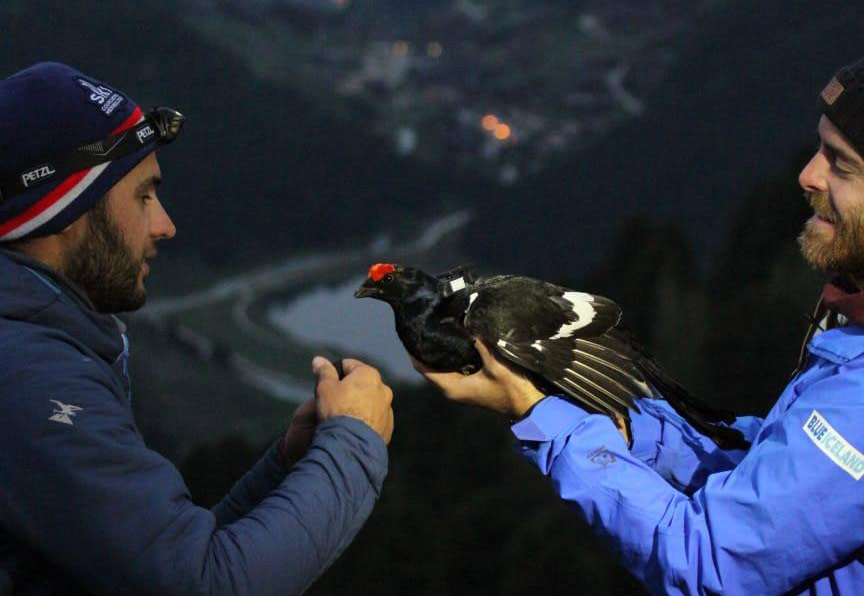
To help preserve local species and their habitats, our ski areas are actively involved, in partnership with the Vanoise National Park, in the AVIFAUNA Agreement. This programme aims to fund GPS tracking equipment, capture and monitoring devices, experimental conservation measures, and the associated communication and awareness-raising activities.

Black Grouse Winter Refuge Areas
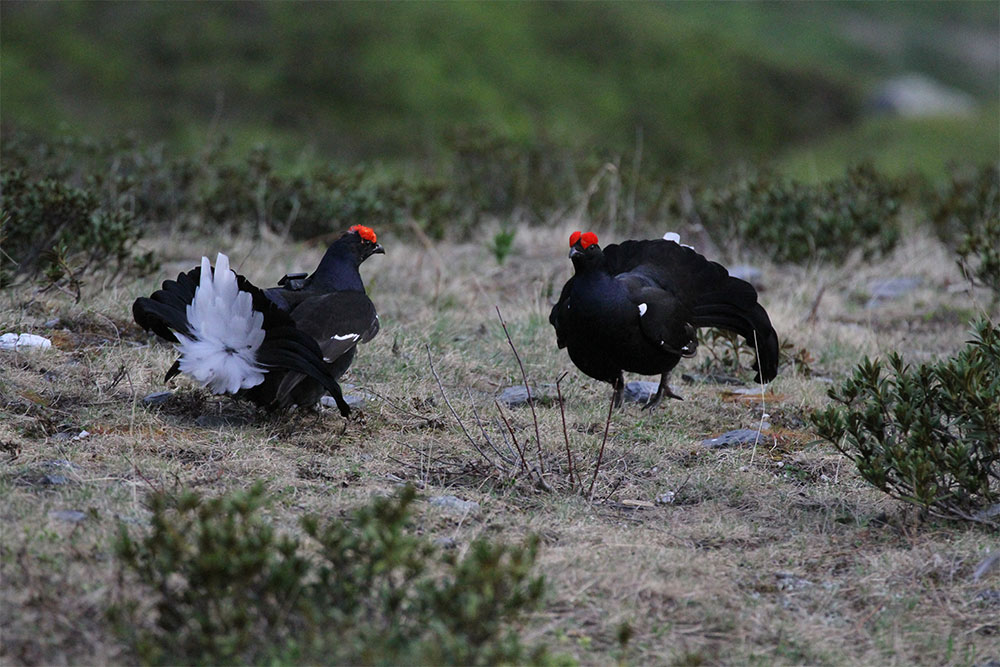
Thanks to the findings generated through the AVIFAUNA Agreement, we now have a much better understanding of the behaviour and habitat requirements of the black grouse. Based on this knowledge, we protect dedicated quiet zones through the installation of low-impact physical barriers in partnership with the Vanoise National Park. In collaboration with the French National Forest Office (ONF), we are also carrying out planting programmes to gradually create optimal habitats for the species while naturally preventing access by skiers.
The black grouse (Tetrao tetrix), also known as the blackcock, is an emblematic species of Alpine environments. This grouse inhabits specific habitats located between subalpine forests and open high-altitude areas. Discreet and highly sensitive to disturbance and climate change, it is now threatened by the fragmentation of its habitat, particularly in mountain areas developed for winter tourism.

Territories for Scientific Research and Environmental Monitoring
We support and actively contribute to scientific research and field experimentation programmes, including ORCHAMP and the Living Lab initiative led by the French National Research Institute for Agriculture, Food and Environment (INRAE). We also participate in specific monitoring programmes conducted by INRAE and the Conservatory of Natural Areas of Savoie focusing on the restoration and management of wetlands.

Preservation and Restoration of Sensitive Natural Areas
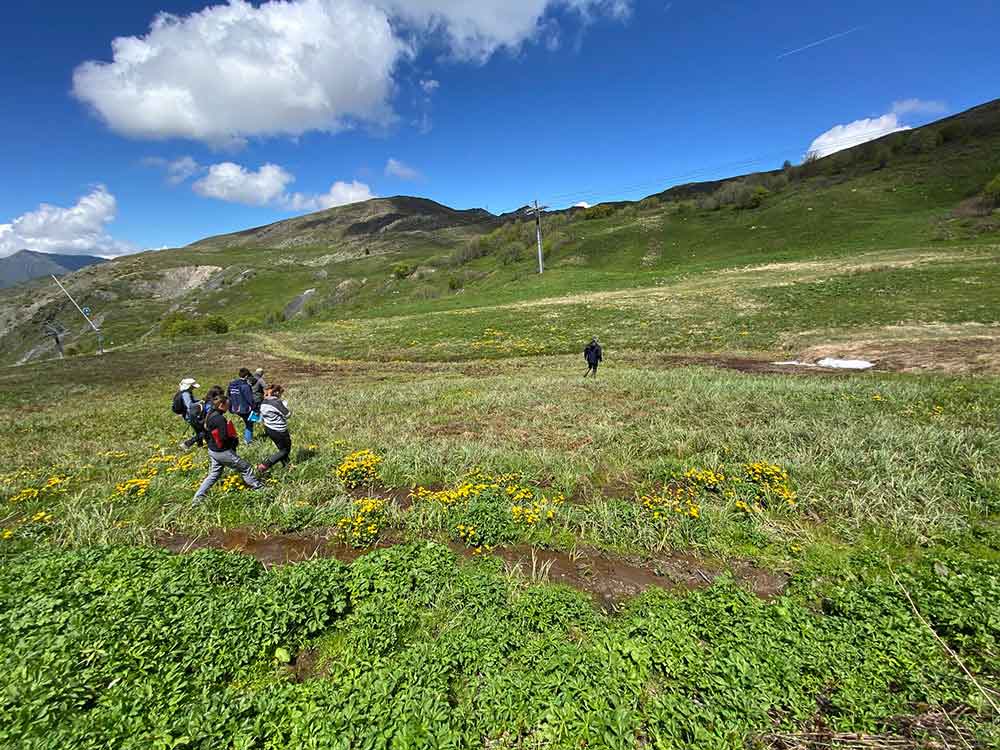
We restore and protect wetlands across several ski areas through actions ranging from the rehabilitation of drainage systems to the installation of protective measures and information signage designed to raise public awareness.

Protected areas (Plan de Tueda National Nature Reserve, Vanoise National Park, Natura 2000, refuge zones…)
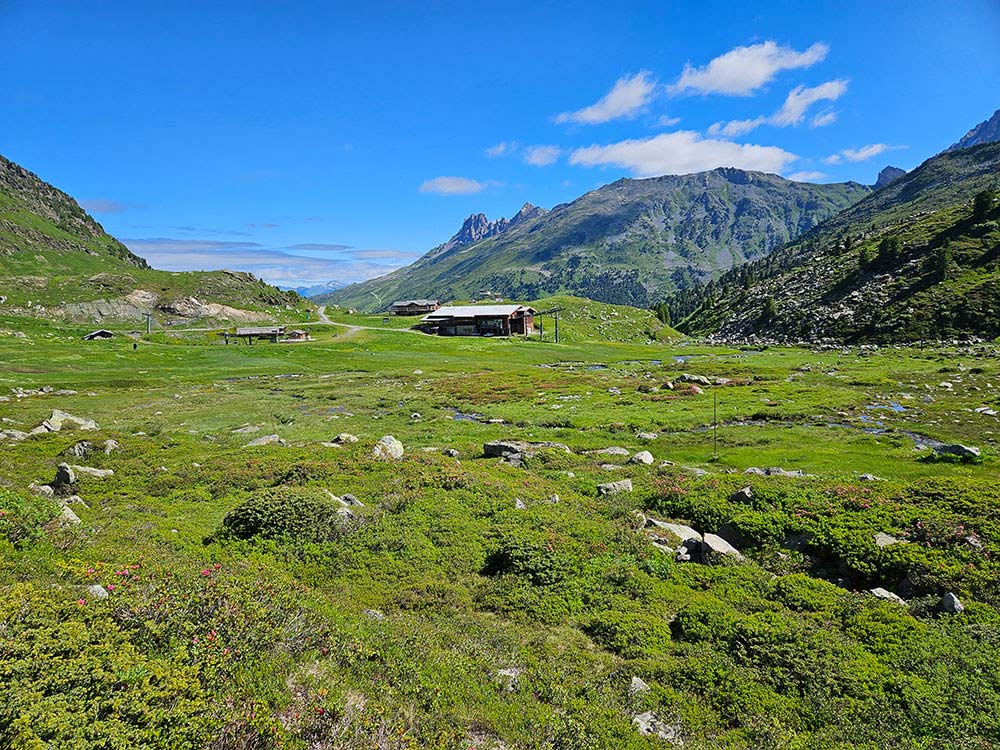
Several hundred hectares inside our borders enjoy protected status, including Plan de Tuéda National Nature Reserve, the Vanoise National Park peripheral zone, Natura 2000 zones, Plan des Mains APPB (Biotope Protection Prefectural Order) and refuge zones. Ski area operating companies are involved in the management organisation of these protected spaces and work with them to implement concrete actions. We recognise that the diversity of Les 3 Vallées ecosystems is a strength, and preserving this richness is our shared ambition.
CSR
OUR ACTIONS
The challenge ahead is clear: to ease our transition into a more local, diversified and resilient model of mountain tourism.

