

Emissions & energy
Reducing our emissions is a necessity. It’s as much a response to the climate crisis as it is a requirement for preserving the snow cover that is so essential to our industry, while regulating our energy consumption at the same time.
Our efforts are concentrated on energy consumed as a direct result of operating our ski areas: energy conservation, building renovation, photovoltaic energy production, eco-friendly operational techniques for ski lifts and piste groomers, and regulating artificial snow production.
These actions don’t account for the entire carbon footprint of a ski destination, a significant portion of which is caused by visitor travel and accommodation. Nonetheless, they provide direct and measurable areas for improvement. Our approach is based on transparency and continuity: progressing step by step, pragmatically, to build more regulated and resilient ski areas.

Reducing electricity consumption: ski lifts and artificial snow production
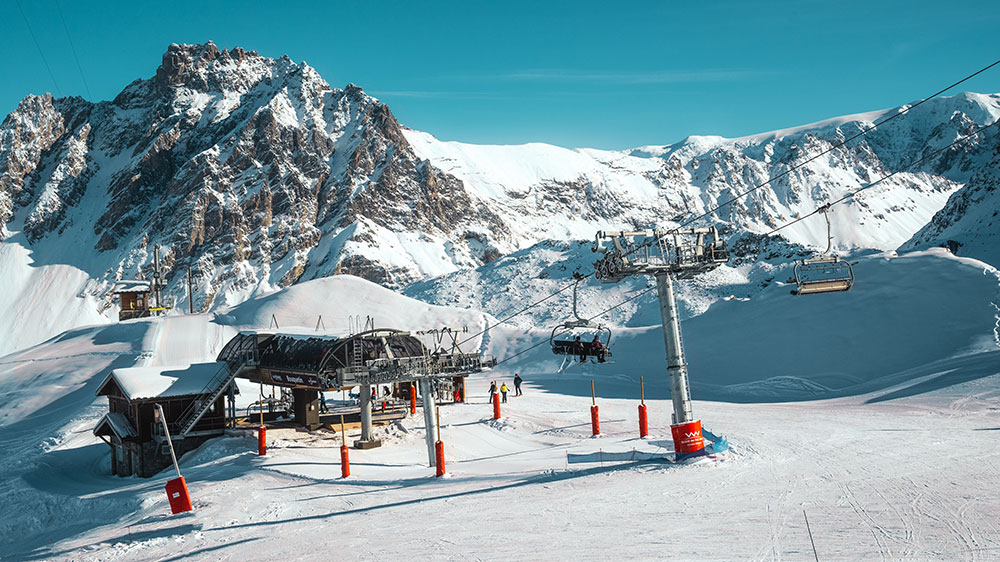
Major infrastructure such as ski lifts, artificial snow production and buildings are now equipped with a network of sub-meters that allow us to precisely track consumption by usage and to identify potential savings. Artificial snow production requires modernised equipment, which is activated at lower, and therefore better-adapted, temperatures, and with optimised operation times. The speed of several of our ski lifts can be adjusted according to visitor numbers, allowing for real-time energy consumption modification.

Reducing Fuel Consumption and Switching to HVO and Other Low-Carbon Energy Sources
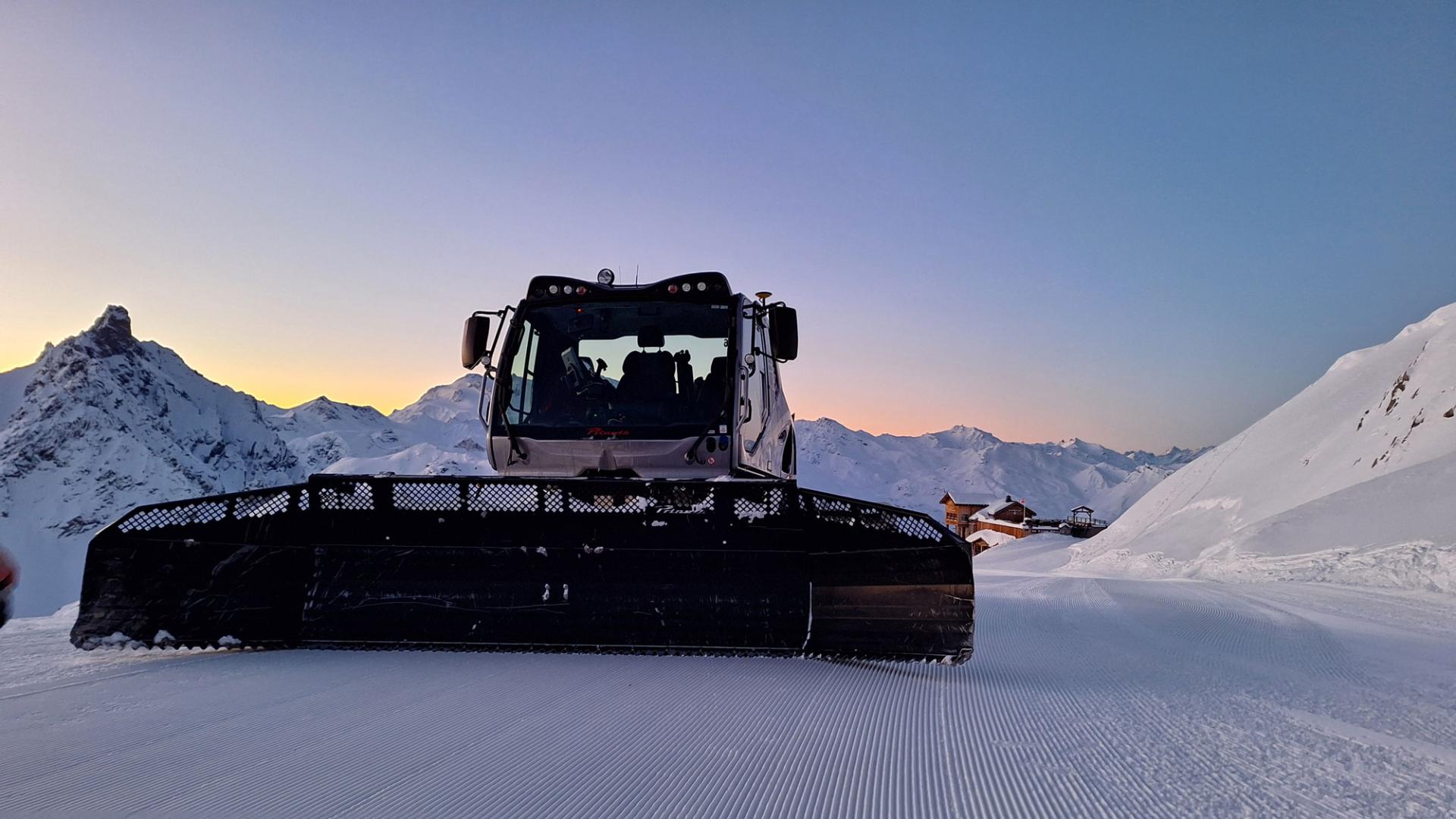
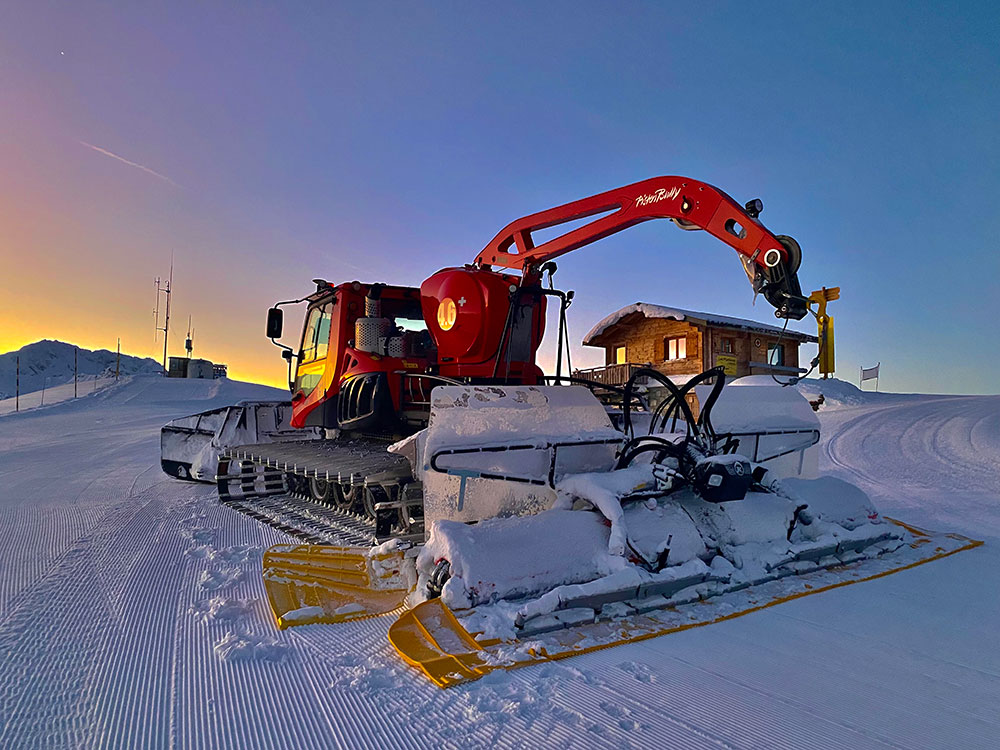
Our snow grooming fleet and light vehicles (utility vehicles, 4x4s, lifting equipment, snowmobiles, etc.) account for a significant share of our direct greenhouse gas emissions. To reduce them, most of our ski areas have switched to HVO (Hydrotreated Vegetable Oil), a renewable fuel that significantly lowers CO₂ emissions. This transition is complemented by eco-driving training programmes, which help reduce the energy used for snow grooming operations. At the same time, our service vehicle fleet is gradually being electrified, supported by the installation of charging stations.

Energy renovation of buildings
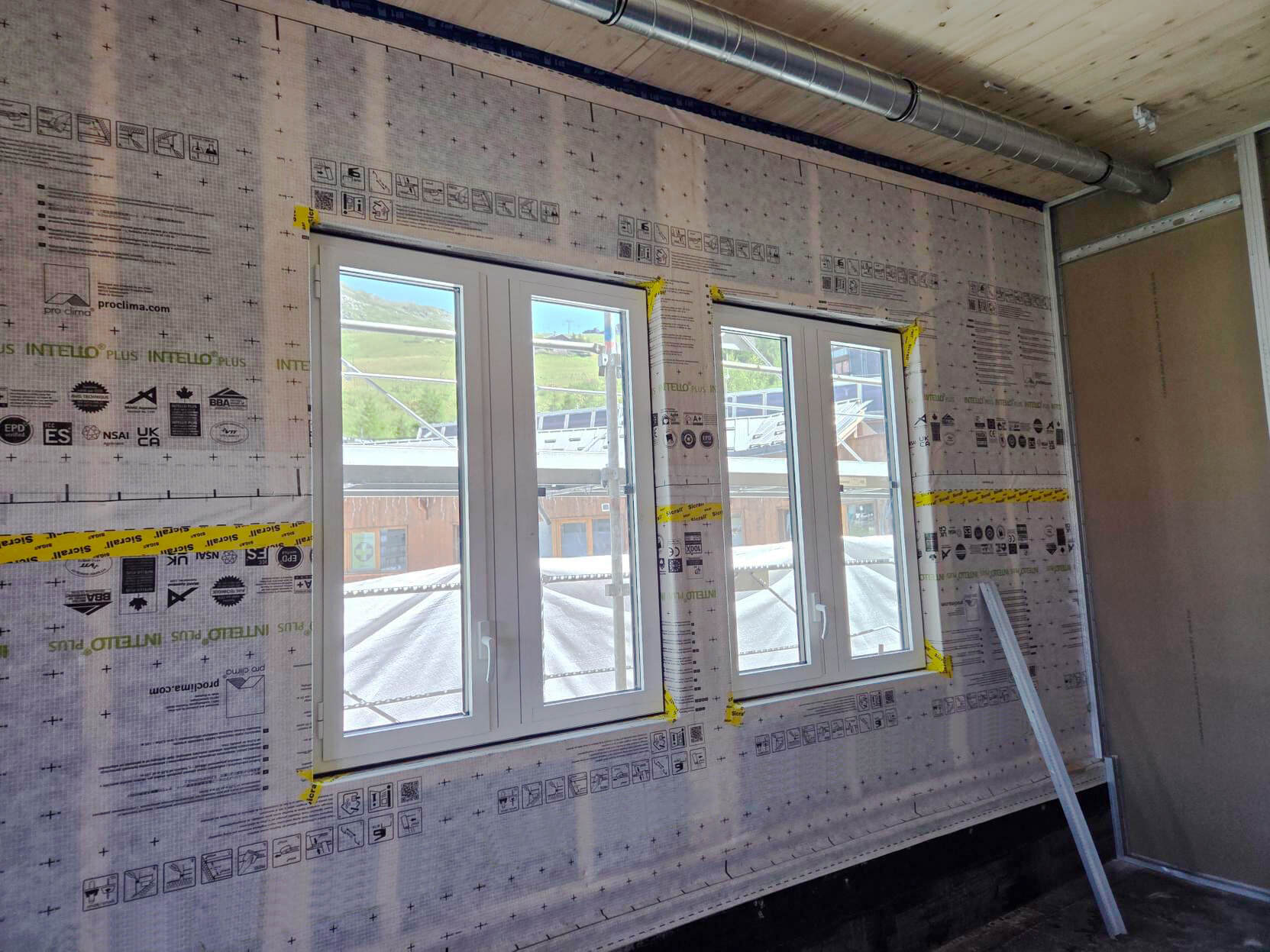
Energy audits have allowed us to identify energy-saving areas in our buildings. On this basis, we have implemented a medium term renovation plan, which involves insulating buildings (administrative and technical sites, ski lift operator stations, etc.) The phased implementation of a Centralized Technical Management (CTM) system lets us regulate control of heating and lighting, by automatically lowering temperatures in the evenings or during mandated weekly rest periods for example.

Green electricity contracts
Most operators have chosen to source electricity from renewable energy supplies in order to support the development of low-carbon energy production. This approach is complemented by other initiatives, including heat recovery for building heating, the use of solar thermal energy, active monitoring and management of electricity consumption, and the deployment of the ISO 50001 energy management certification. Already achieved by SETAM in 2016, this certification supports a process of continuous improvement in the energy efficiency of facilities and operations.

Renewable energy production
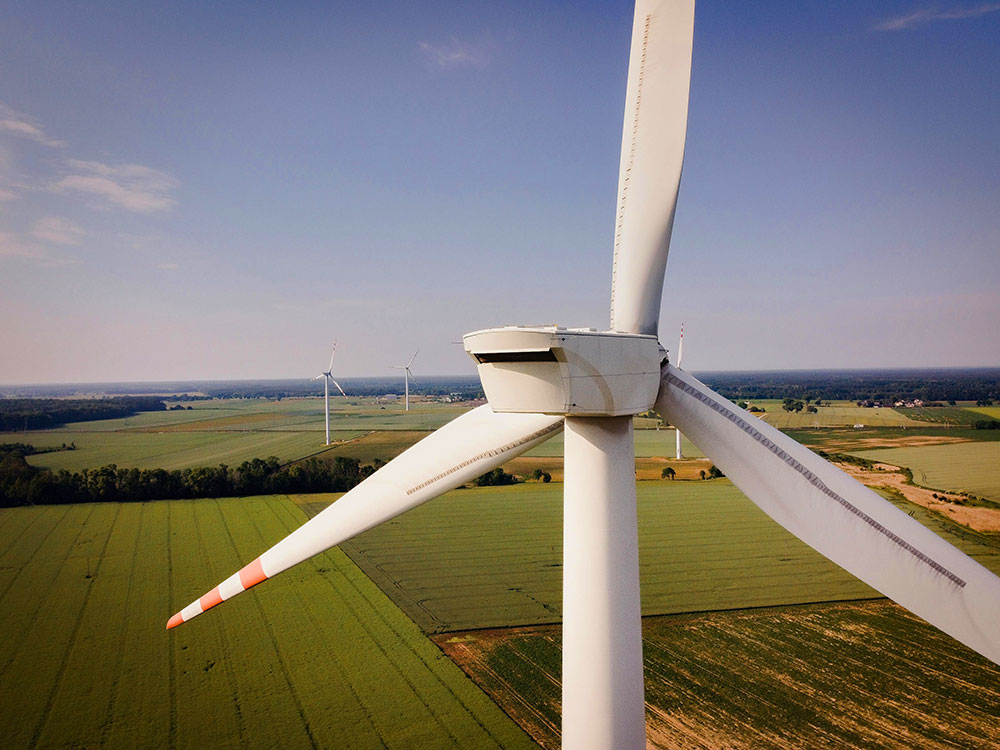
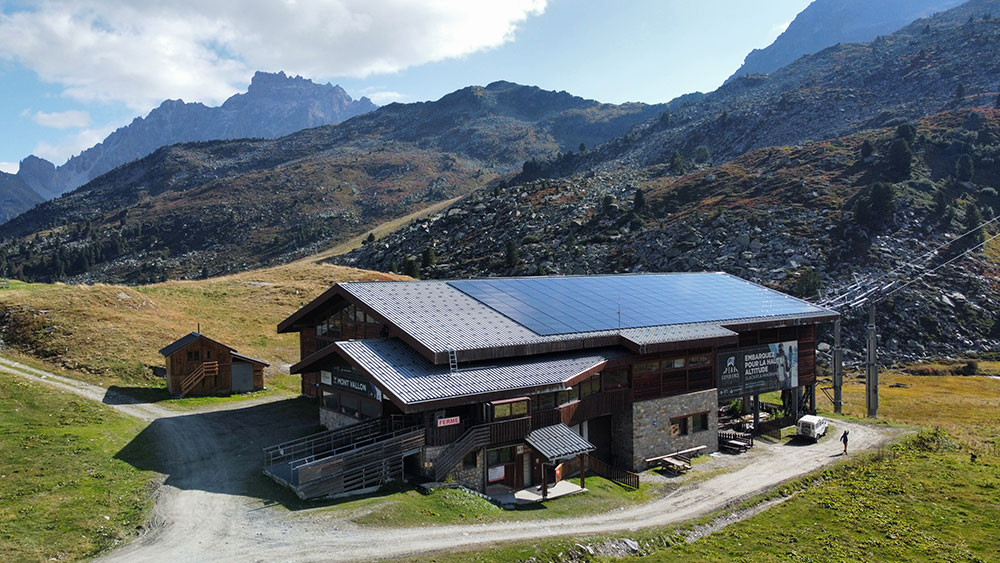
Beyond efforts to conserve energy, we are developing local electricity production, and some buildings are already equipped with renewable energy equipment. Though this remains a small part of the whole, it represents the first step towards energy independence. In 2024, the total production of Les 3 Vallées’ operating companies reached 411 MWh, which is equivalent to the annual consumption of around 100 homes. This is currently a modest proportion in terms of our ski areas’ total consumption. We view it as the first stage, with several steps already in place: a second solar production site was put into operation in Autumn 2024 on Les Menuires/Saint-Martin sector, and SEVABEL’s next gondola lift project (Mont de la Chambre) scheduled to be in operation in 2027 and 2028, includes solar panels on the façades. Other ambitious avenues are also being explored.
CSR
OUR ACTIONS
The challenge ahead of us is clear: ease the transition into a more local, diversified and resilient model of mountain tourism.

